For many in the communications industry, the hope is to secure coverage and gain exposure. Whether that is a spread in the Financial Times or an interview on Good Morning Britain, but we can never forget, for all the good times, there are many pitfalls we need to avoid.
On the eve of International Women’s Day 2017, State Street Global Advisors partnered up with the McCann World Group to introduce Fearless Girl to the world. The statue of a young girl standing up to the Raging Bull on Wall Street became a global phenomenon in a matter of hours. Fearless Girl represented the strength of women and the importance of female representation within leadership positions. The statue garnered over 1 billion Twitter impressions in the first 12 hours and 405 million Instagram impressions in 6 weeks, clearly a massive hit! The campaign masterfully demonstrated the global support towards female empowerment.
With the prominence of the #MeToo movement, several companies developed strategies hoping to create a call to action supporting women across the globe. Unfortunately, not everyone was able to strike gold like the Fearless Girl campaign! Procter and Gamble just so happened to be one example of these unsuccessful companies. Presenting – We Believe: The Best Men Can Be.

Running around three months after the #MeToo movement had gained global traction, Procter and Gamble decided to roll out an ad for Gillette which to many failed to encapsulate positive messages of empowerment. Rather than provide positive examples of gender equality, the ad presented most men as sexual harassers and a society filled to the brim with male toxicity. The ad faced massive vitriol across several media platforms, across the gender spectrum. Celebrities such as Piers Morgan came on national television in defence of men across the world, many of whom felt attacked by Gillette’s ad. Social media was no safer for Gillette, with many individuals sarcastically mocking the ad and highlighting the flaws of their campaign. The effects of the ad were devastating, a week after first airing, Gillette’s YouGov Brand Index score dropped to -3.4. In a ranking of 45 health and beauty brands, Gillette dropped from seventh, all the way down to the bottom.
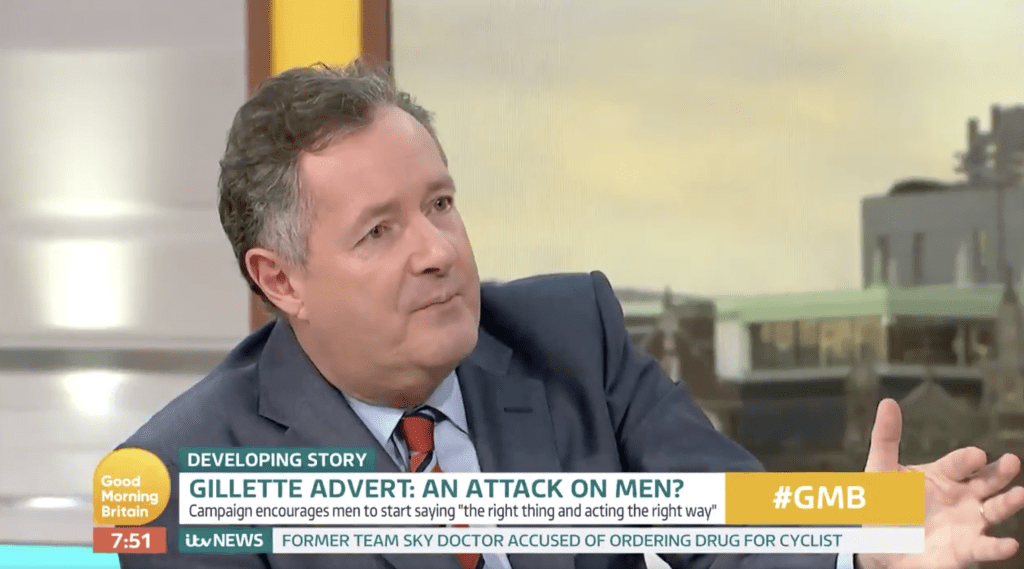
The key lesson from the Gillette was their failure to analyse their audience and gain a strong understanding of their motivations. The company hoped to jump on a growing trend, but instead of empowering females, they chose to attack men. Although the ad had begun as a positive campaign, Gillette demonstrated how a poorly executed idea, can quickly escalate into a PR crisis.
So, for any company hoping to create a new campaign, please make sure you have a strong understanding of your stakeholders!
 20/20 Vision